Introduction
When it comes to establishing a farm or ranch, one of fence company Eagle Fencing the most significant investments you can make is in fence installation. A well-planned fence not only defines property boundaries but also serves as a crucial element for security, animal management, and even aesthetics. Whether you're looking at commercial fence installation or residential fence installation, understanding the factors that influence your choices will lead to better outcomes. This article will guide you through various aspects of planning your fence installation, ensuring you make informed decisions that meet your needs.
Factors to Consider When Planning a Farm or Ranch Fence Installation
Planning a farm or ranch fence installation requires careful consideration of multiple factors. Below are some primary elements that should guide your decision-making process:
1. Purpose of the Fence
1.1 Defining Boundaries
One of the foremost purposes of any fence is to delineate property lines. Having clear boundaries helps avoid disputes with neighbors and legally protects your property.
1.2 Security Measures
Is security a priority? If so, consider options like security fence installation or ornamental iron fence installation to deter intruders while enhancing aesthetic appeal.
1.3 Animal Control
For those raising livestock, effective animal control is vital. Fences help keep animals contained and can prevent them from wandering onto roads or neighboring properties.
2. Local Regulations and Permits
Before starting any fence installation, familiarize yourself with local zoning laws and regulations regarding fencing heights, materials, and even setback requirements.
2.1 Obtaining Permits
In some areas, you'll need to submit plans for approval before commencing work on your fence. Ensure you have all necessary permits to avoid fines or forced removal later on.
3. Choosing the Right Material
The material you choose for your fence significantly impacts its durability, maintenance needs, and initial cost.
3.1 Wood Fencing Options
Wood fences offer a classic look but require regular maintenance, including painting or staining every few years.
3.2 Vinyl vs Wood Fencing
Vinyl fences are low-maintenance and come in various styles; however, they may not provide the same rustic charm as wooden options.
4. Cost Considerations for Fence Installation
budgeting effectively for your project is essential to ensure you don’t overspend without compromising quality.
4.1 Average Fence Installation Cost
Understanding average costs can help you formulate a budget that includes materials and labor expenses for professional services.
4.2 Hidden Costs in Fence Installation Services
Be aware of potential hidden costs such as land clearing, removing old fences (fence removal and installation), and other site preparations that might add up quickly.
5. Selecting Professional Fence Installers
Hiring licensed professionals ensures quality work but does come with its own set of considerations.
5.1 Researching Local Fence Contractors
Look for reviews online or ask friends for recommendations when searching for reliable fence contractors who specialize in the type of fencing you want installed.
5.2 Comparing Estimates from Different Installers
Request estimates from several providers to compare prices as well as services offered—this can help identify who offers the best value!
6. Weather Conditions Impacting Your Fence Choice
Understand how local weather patterns can affect different types of fences over time—and choose accordingly!
6.1 Wind Resistance for Fences in Storm-Prone Areas
High winds can damage weaker fencing materials; consider sturdier options like wrought iron if you live in an area prone to storms.
6.2 Moisture Levels Affecting Wood Fencing Durability
If your area experiences heavy rainfall, wood may rot faster unless it’s properly treated; alternative materials like vinyl could be beneficial here!
7. Aesthetic Appeal vs Functionality
While functionality is crucial in choosing a farm or ranch fence, aesthetics shouldn't be overlooked either!
7.1 Decorative vs Functional Fences
Think about how different styles complement your landscape; decorative options might enhance curb appeal without sacrificing functionality!
8. Maintenance Requirements Over Time
Different types of fences require varying levels of upkeep; understanding this can save you time and money down the line!
8.1 Long-Term Care Needs
Some materials necessitate more frequent care than others—factor these needs into your long-term budget planning!
9: Accessibility Features
Fences aren't just barriers—they often need gates! Think about accessibility when planning where they’ll go within your design layout.
- Must they accommodate vehicles? Should they be wide enough for equipment?
Assessing these needs early on makes things easier later!
10: Environmental Concerns
Consider any environmental factors relevant to where you'll install—do certain plants grow near existing trees? Will animals disrupt nearby wildlife habitats?
Assessing these issues now can prevent headaches down the road!
11: Personal Preferences & Lifestyle Choices
Your lifestyle plays an important role in selecting both material choice & style preference—what fits best with YOU?
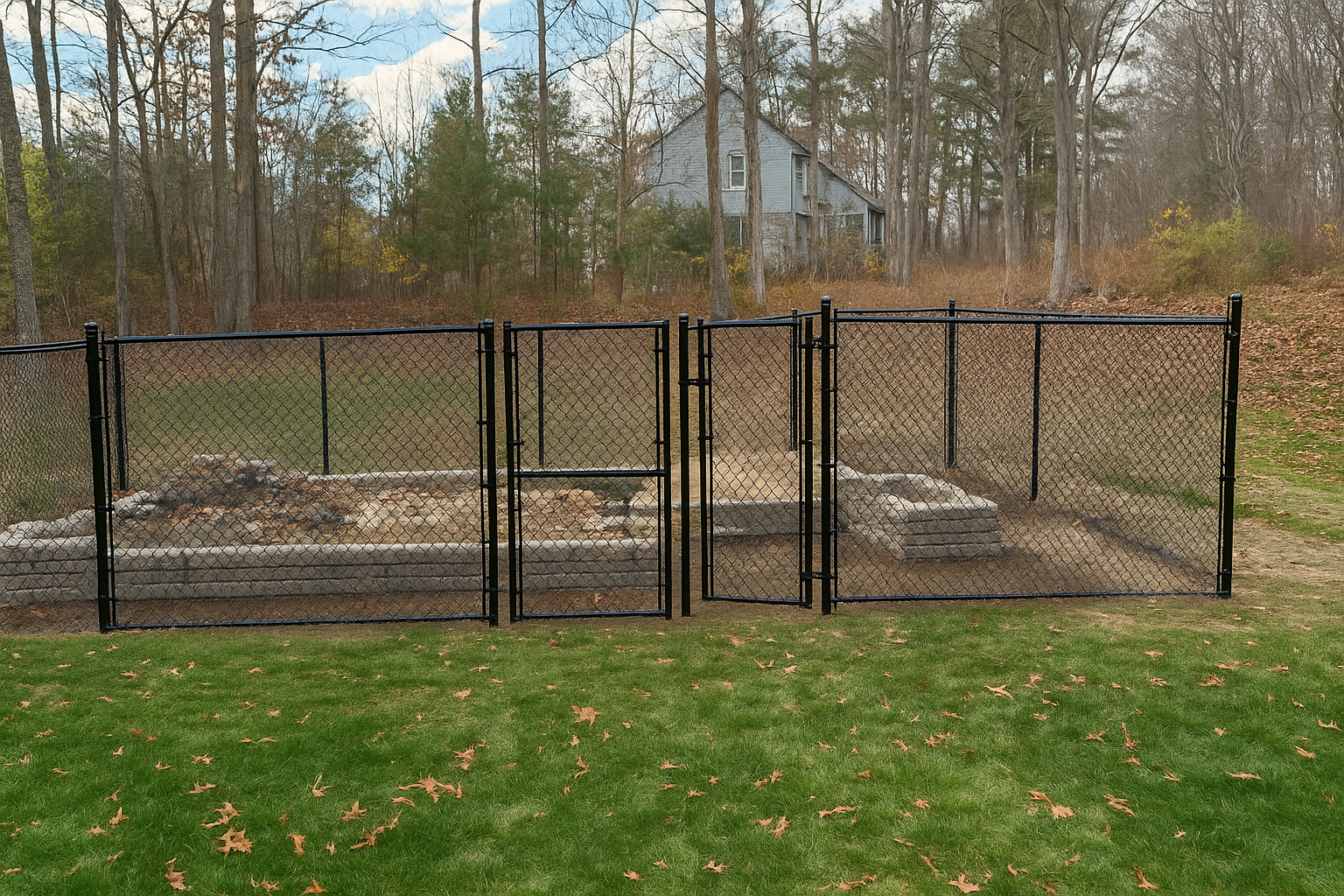

- Do YOU have pets that need safe enclosures? Want something child-friendly yet attractive too?
These questions help narrow down options significantly!
12: Future Expansion Plans
Are there plans for future expansion? Awareness might shift focus toward temporary solutions until long-term decisions become clearer later on down-the-line!
- Might additional fencing be needed? Is relocation likely?
Answering such queries aids decision-making today while paving paths forward tomorrow…
Frequently Asked Questions (FAQs)
FAQ 1: What is the average cost of farm fence installation?
The average cost varies widely based on location, material type (like wood versus chain link), and overall project scope; expect anywhere between $15-$50 per linear foot depending on these variables.
FAQ 2: How long does it take to install a new fence?
Installation time depends heavily upon size & complexity; straightforward projects may take just one day while larger-scale implementations could span weeks if extensive groundwork is involved!
FAQ 3: Do I need a permit before installing my fence?
Yes! Most municipalities require permits prior to beginning work—failure could result in fines—or worse—a forced removal later on! Always check local regulations first!
FAQ 4: Can I install my own farm/ranch fencing instead of hiring professionals?
Absolutely! DIY installations are possible but often require specialized tools & skills; weigh pros/cons carefully before proceeding alone versus hiring experienced fence installers.
FAQ 5: What kind of maintenance does wood fencing require?
Wood requires regular staining/sealing every few years along with periodic inspections for signs of rot/damage; staying proactive helps prolong lifespan significantly!
FAQ 6: How do I choose between vinyl vs wooden fencing?
Choose based upon personal preference! Vinyl offers lower-maintenance but lacks traditional charm while wood provides timeless elegance albeit needing more upkeep over time—consider what matters most personally!
Conclusion
In summary, planning your farm or ranch fence installation involves numerous factors ranging from purpose to material choice and cost considerations—all pivotal in achieving desired outcomes aligned with individual goals! By taking these elements into account thoughtfully during initial planning stages ensures optimal results tailored specifically towards unique needs/preferences going forward successfully down-the-line ahead… Happy fencing!